 English
 العربية
Section 1: Project Overview
Project Name:
Enhancing Cooking Efficiency Using Clean Stoves in Rural Sudan
Geographic Coverage:
Rural areas in Sudan, focusing on regions heavily dependent on biomass fuel (wood and charcoal) and experiencing high indoor pollution rates.
Project Scope:
Health, environment, and women’s empowerment.
Project Duration:
24 months (2 years)
Beneficiaries:
- Direct Beneficiaries: Rural households, especially women and children.
- Indirect Beneficiaries: Rural communities, health organizations, and environmental agencies.
Project Budget:
USD 2,000,000
Section 2: Project Description
Rationale
Overview of the Existing Problem:
More than 70% of rural households in Sudan rely on biomass fuel (wood and charcoal) for cooking, leading to indoor air pollution and increased carbon emissions. According to the World Health Organization (WHO), indoor pollution causes thousands of deaths annually, particularly among women and children who spend long hours in kitchens. Additionally, these practices contribute to deforestation and environmental degradation.
Affected Groups & Challenges:
- Rural women who bear the daily cooking burden and are directly exposed to harmful smoke.
- Children who suffer from respiratory diseases due to indoor pollution.
- Rural communities with limited awareness of cleaner and more sustainable cooking alternatives.
Alignment with National Priorities and Policies:
The project aligns with national objectives to promote the adoption of clean and sustainable technologies and supports the Sustainable Development Goals (SDGs), particularly:
- Goal 3: Good Health and Well-being.
- Goal 7: Affordable and Clean Energy.
- Goal 13: Climate Action.
Importance of the Project:
The project offers a sustainable alternative to traditional cooking energy, improving quality of life while reducing health and environmental risks.
Target Beneficiaries
Direct Beneficiaries:
- Rural women (70% of beneficiaries): Reduced exposure to harmful smoke and savings on fuel costs and time.
- Children (20% of beneficiaries): Lower rates of respiratory illnesses due to reduced indoor air pollution.
- Youth working in distribution & maintenance (10% of beneficiaries): Creation of sustainable employment opportunities in manufacturing, distribution, and maintenance of clean stoves.
Indirect Beneficiaries:
- Rural communities: Reduced deforestation and improved air quality.
- Health sector: Decreased pressure on healthcare systems due to lower respiratory disease rates.
- Manufacturers: Expansion of the clean stove market in Sudan.
Section 3: Project Implementation Methodology
1. Product Design
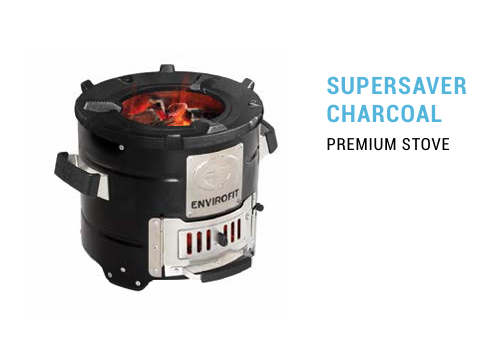
- Procure clean stoves from specialized companies such as Envirofit, tailored to the needs of rural communities.
- Develop solar-powered or clean fuel stoves to minimize reliance on biomass.
2. Distribution
- Establish distribution networks in collaboration with NGOs to reach target areas.
- Implement a "Pay-as-You-Go" system to improve affordability and accessibility.
3. Training
- Conduct training sessions on clean stove usage and maintenance for long-term sustainability.
- Train 500 women in basic stove maintenance.
4. Innovation & Technology
- Develop mobile applications offering guidance on efficient stove usage.
- Utilize artificial intelligence (AI) to analyze data and enhance solution effectiveness.
5. Activities & Expected Outcomes
- Year 1: Distribute 10,000 clean stoves.
- Year 2: Expand project reach to 30,000 additional households.
- Reduce respiratory diseases by 50% within two years.
- Cut carbon emissions by 80%.
Section 4: Risk Management
| Risks | Mitigation Strategies |
|---|---|
| Community resistance to new technologies | Organize awareness campaigns and provide free stove trials for a limited period. |
| Challenges in reaching remote areas | Partner with local organizations to ensure effective distribution. |
| Funding shortages in early stages | Develop flexible financing strategies in collaboration with international and local financial institutions. |
Section 5: Potential Partners
- Ministry of Health & Environment: Provide technical support and assess health impact.
- NGOs: Assist in distribution and training.
- Manufacturers (e.g., Envirofit): Supply products at discounted rates and offer after-sales services.
- Local Universities: Support research and development.
Section 6: Additional Notes
- The project supports the Sustainable Development Goals (SDGs) and provides a scalable model for replication in other regions in Sudan and beyond.
- A digital application will be developed to help beneficiaries request services easily, including stove orders and user guidance.
- The app will integrate AI-based analytics to optimize solutions and efficiency.
- Small loans will be provided to households to purchase stoves in installments.
Conclusion
The project aims to enhance living conditions in rural Sudan by providing clean stoves that reduce indoor pollution, improve public health, and empower women. By leveraging innovation and technology, this initiative can serve as a successful model for implementation in other regions facing similar challenges.
🌟 "Commitment to Excellence: Delivering Comprehensive Project Proposals from Sudan Platform" 🌟
At Sudan Platform, in collaboration with our partners, we are committed to delivering comprehensive project proposals covering all critical aspects, from planning to execution and evaluation.
For full project proposals, please contact us at:
📩 info@sudanplatform.org
