 English
 العربية
Section 1: Project Overview
Project Name:
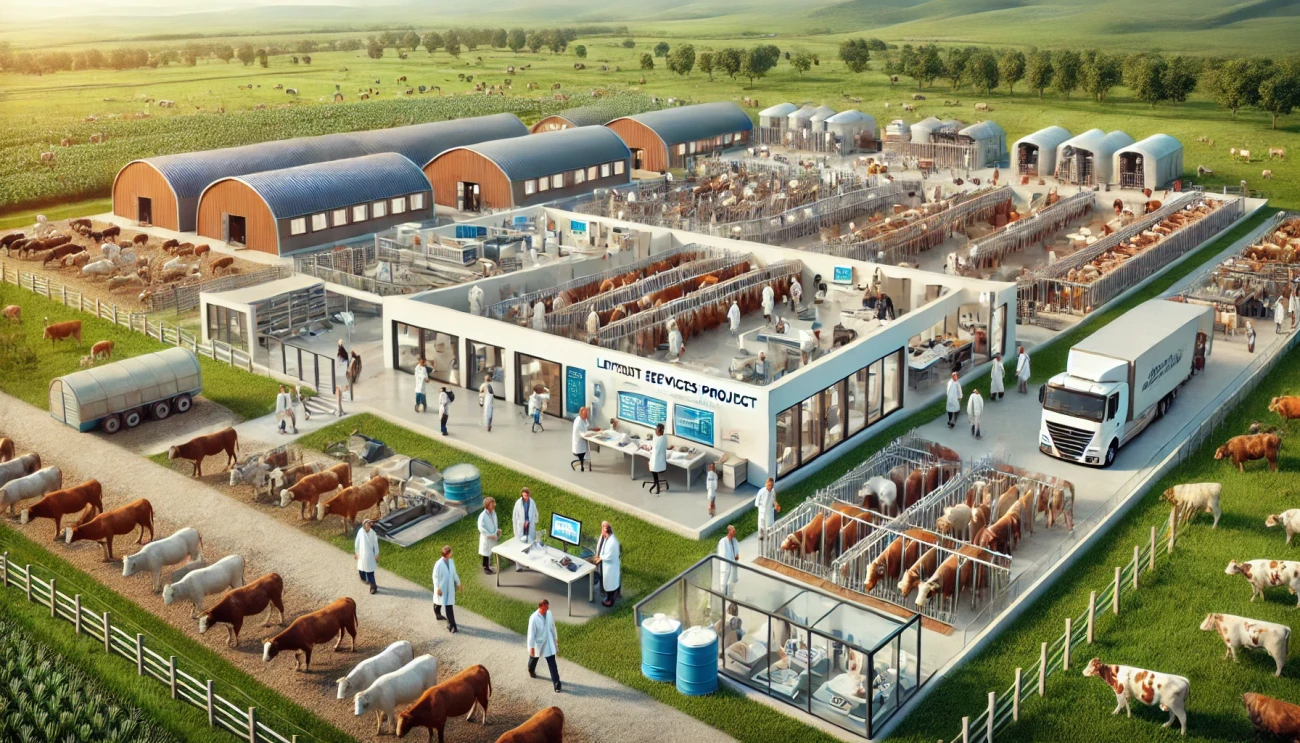
Livestock Services Project (LSP)
Geographic Coverage:
Rural and pastoral areas of Sudan, with a focus on states engaged in livestock and agriculture-related activities.
Project Scope:
Providing integrated services to enhance livestock production, including veterinary care, breed improvement, supply chain development, and farmer training.
Project Duration:
36 months (3 years).
Beneficiaries:
-
Direct Beneficiaries:
- 100,000 livestock farmers, fodder producers, and traders in the livestock sector.
-
Indirect Beneficiaries:
- Consumers, industries relying on animal products, and economic and health sectors.
Project Budget:
USD 8 million (adjustable based on geographical expansion).
Section 2: Project Description
Rationale
Overview of the Existing Problem:
Sudan has one of the largest livestock populations in Africa, yet the sector faces significant challenges, including:
- Limited veterinary services, leading to high animal mortality rates.
- Low production efficiency due to poor nutrition and outdated breeding techniques.
- Weak supply chains, restricting access to local and international markets.
- Inadequate marketing infrastructure, reducing profitability for farmers.
Project Objectives:
- Improve veterinary care and reduce livestock mortality rates through vaccination programs and health services.
- Increase livestock productivity by enhancing feed quality and introducing improved breeds.
- Strengthen meat and dairy supply chains to connect farmers with domestic and international markets.
- Provide training and awareness programs for farmers on best practices in livestock management.
Alignment with National Priorities and Policies:
This project supports Sudan’s developmental and food security strategies, aligning with:
- SDG 2: End hunger by improving livestock-based food production.
- SDG 8: Promote economic growth by developing the livestock sector.
- SDG 12: Encourage sustainable consumption and production through better livestock resource management.
Target Beneficiaries
Direct Beneficiaries:
- Livestock farmers: Gain access to veterinary services and breed improvement programs.
- Fodder producers: Benefit from support to enhance feed production quality.
- Traders & exporters: Increase efficiency and access to higher-quality livestock products.
Indirect Beneficiaries:
- Consumers: Receive high-quality, affordable meat and dairy products.
- Food & dairy industries: Gain access to consistent and improved livestock products.
- Government & environmental agencies: Benefit from sustainable livestock management and reduced health risks.
Section 3: Project Implementation Methodology
1. Enhancing Veterinary Care & Mobile Clinics
- Establish 15 mobile and fixed veterinary centers to serve rural and remote areas.
- Provide vaccines and veterinary treatments to protect livestock against common diseases.
2. Livestock Breed Improvement
- Introduce genetic improvement programs through artificial insemination and modern breeding techniques.
- Collaborate with local farmers to establish high-yield breeding stations for meat and dairy production.
3. Improving Fodder Production & Nutrition
- Introduce high-quality feed varieties to improve livestock nutrition.
- Promote local fodder farming and link fodder producers to livestock farmers through cooperative networks.
4. Strengthening Supply Chains & Marketing
- Develop digital marketing platforms to connect farmers directly to local and international markets.
- Establish modern slaughterhouses and cold storage facilities to ensure better product quality.
5. Training & Capacity Building
- Conduct training workshops for farmers on livestock breeding, nutrition, and veterinary care.
- Launch educational programs in modern livestock management techniques to boost productivity.
6. Activities & Expected Outcomes
- Provide veterinary services to over 100,000 farmers within three years.
- Increase meat and dairy production by 30% through nutrition and breed improvements.
- Reduce livestock mortality rates by 50% with enhanced veterinary care.
- Raise farmer incomes by 40% through higher production and better market access.
Section 4: Risk Management
| Risks | Mitigation Strategies |
|---|---|
| Weak veterinary infrastructure in rural areas | Deploy mobile veterinary units to reach remote locations. |
| Low awareness of modern livestock techniques | Organize continuous farmer training programs and community engagement. |
| Marketing and export challenges | Develop digital marketing solutions and strengthen international trade partnerships. |
Section 5: Potential Partners
- Ministry of Livestock & Fisheries: Ensure alignment with national livestock strategies.
- Fodder & Meat Processing Companies: Enhance supply chains and market access.
- International Organizations (FAO, IFAD, UNDP): Provide technical and financial support.
- Banks & Financial Institutions: Offer financing for farmers and feed producers.
Section 6: Additional Notes
- The project will increase meat and dairy production by offering comprehensive livestock services.
- Partnerships between farmers and private sector players will help develop a modern livestock production system.
- A digital platform will be created to provide veterinary and marketing consultation services for farmers.
- A phased geographic expansion plan will ensure maximum outreach to beneficiaries.
Conclusion
This project aims to transform Sudan’s livestock sector by providing comprehensive services, including veterinary care, breed improvement, feed development, and market access. By enhancing production efficiency and linking farmers to markets, the initiative will reduce livestock losses, increase farmer incomes, and enhance food security, contributing to long-term economic sustainability.
🌟 "Developing Livestock… For a Sustainable Economic & Food Future" 🌟
At Sudan Platform, in collaboration with our partners, we are committed to delivering comprehensive project proposals covering all critical aspects, from planning to execution and evaluation.
📩 For full project proposals, please contact us at:
📧 info@sudanplatform.org
