 English
 العربية
Section 1: Project Overview
Project Name:
Waste Recycling Centers (WRC)
Geographic Coverage:
Major cities and industrial zones in Sudan.
Project Scope:
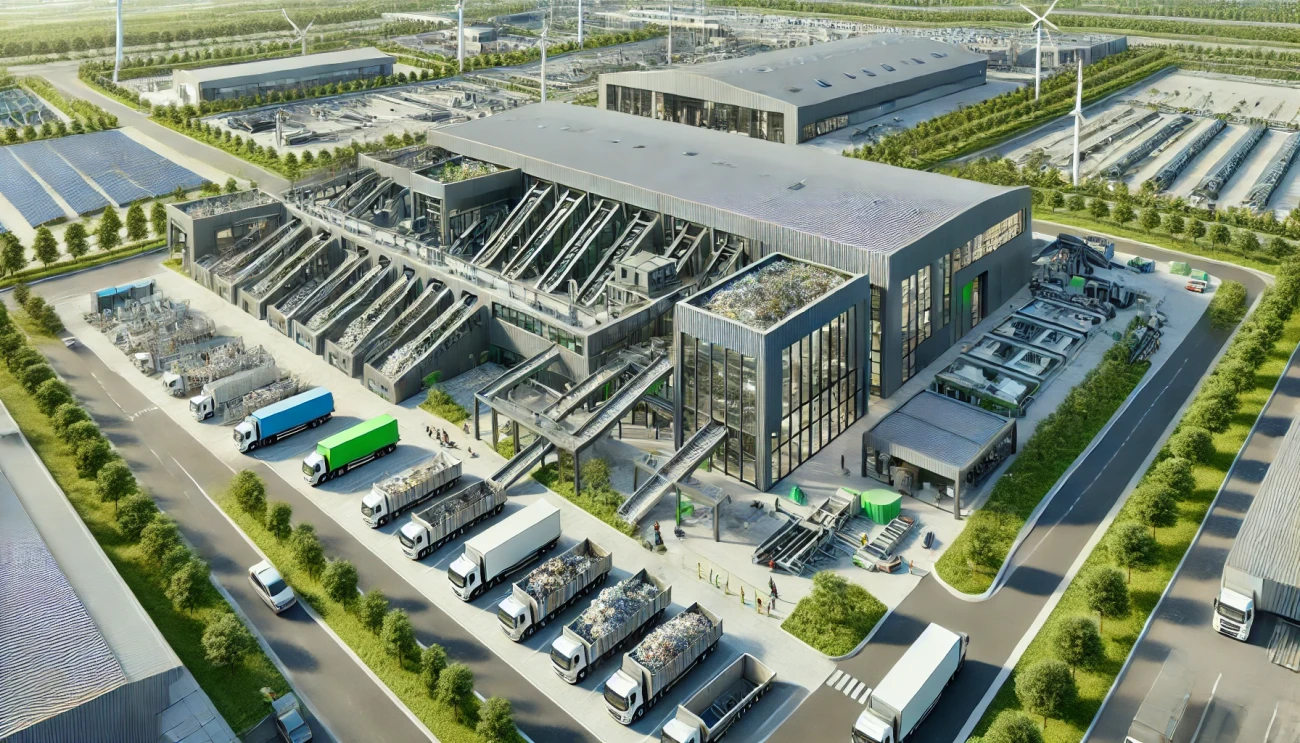
Establishing modern recycling centers to process solid waste (plastic, paper, metals, and organic waste), aiming to reduce environmental pollution and promote the circular economy.
Project Duration:
36 months (3 years).
Beneficiaries:
-
Direct Beneficiaries:
- Workers in the waste management sector, factories, recycling companies, and farmers benefiting from organic fertilizers.
-
Indirect Beneficiaries:
- Local communities, municipalities, environmental agencies, and industrial sectors.
Project Budget:
USD 12 million (adjustable based on the number of centers).
Section 2: Project Description
Rationale
Overview of the Existing Problem:
Sudan faces a growing waste management crisis, with large volumes of solid waste being dumped in unregulated landfills, causing soil and water contamination and spreading diseases. Additionally, the lack of effective recycling systems leads to wasted reusable materials, increasing economic and environmental pressures.
Project Objectives:
- Reduce environmental pollution by recycling waste into new usable materials.
- Develop a sustainable circular economy by creating new job opportunities in the recycling sector.
- Produce low-cost raw materials such as recycled plastic, paper, metals, and organic fertilizers.
- Promote recycling awareness among local communities and businesses.
Alignment with National Priorities and Policies:
This project aligns with Sudan’s environmental and economic development plans, supporting:
- SDG 11: Sustainable cities and communities through improved waste management.
- SDG 12: Responsible consumption and production by enhancing recycling and reducing waste.
- SDG 13: Climate action by reducing greenhouse gas emissions from waste burning.
Target Beneficiaries
Direct Beneficiaries:
- Recycling companies & factories: Gain access to high-quality recycled raw materials.
- Workers in the waste sector: Access new job opportunities in waste collection, sorting, and processing.
- Farmers: Benefit from organic fertilizers produced from composted waste.
Indirect Beneficiaries:
- Local communities: Enjoy a cleaner environment with reduced pollution.
- Municipalities & local governments: Benefit from lower landfill waste volumes and improved waste management infrastructure.
- Environmental and investment companies: Access new business and partnership opportunities in the recycling industry.
Section 3: Project Implementation Methodology
1. Establishing Recycling Centers
- Phase 1: Construct and operate five main recycling centers in major cities, with further expansion.
- Develop modern facilities using advanced waste sorting and recycling technologies.
2. Waste Collection & Sorting
- Implement a structured waste collection system from households, businesses, and industrial zones.
- Establish waste collection points in residential and commercial areas to encourage community participation.
3. Recycling Technologies Used
- Plastic Recycling: Convert plastic waste into pellets for use in new product manufacturing.
- Paper Recycling: Process paper waste into recycled paper for printing and packaging.
- Metal Recycling: Melt and refine metals for reuse in various industries.
- Organic Waste Composting: Convert organic waste into natural fertilizers to support agriculture.
4. Public Awareness & Education
- Launch public awareness campaigns to promote a recycling culture among communities and businesses.
- Organize workshops and training programs in schools and local communities on sustainable waste management.
5. Activities & Expected Outcomes
- Recycle 200,000 tons of waste annually within the first three years.
- Produce 50,000 tons of recycled materials to supply local industries.
- Reduce landfill waste volume by 40%.
- Create 5,000 direct and indirect jobs in the recycling sector.
Section 4: Risk Management
| Risks | Mitigation Strategies |
|---|---|
| Low public participation in recycling | Implement incentive programs for individuals and businesses to encourage waste sorting. |
| Challenges in waste collection efficiency | Develop a community-based collection system with reward mechanisms for households. |
| Financial constraints affecting project continuity | Establish partnerships with private sector & international organizations to secure long-term funding. |
Section 5: Potential Partners
- Ministry of Environment & Natural Resources: Ensure project compliance with national environmental policies.
- Recycling & Environmental Technology Companies: Provide modern recycling equipment and technical support.
- Municipalities & Local Governments: Support waste collection infrastructure and community engagement.
- Banks & Financial Institutions: Offer loans and funding for project expansion.
- International Environmental Organizations (UNEP, UNDP, GIZ): Provide technical and financial assistance.
Section 6: Additional Notes
- The project will develop an integrated & sustainable waste recycling system using global best practices.
- Partnerships with private sector companies will be established to create a market for recycled materials and support startups in the recycling industry.
- Smart waste management systems will be implemented using real-time data monitoring to optimize collection and recycling operations.
- Future expansion may include waste-to-energy solutions to support Sudan’s renewable energy sector.
Conclusion
This project aims to revolutionize waste management in Sudan by establishing modern recycling centers capable of processing solid waste into reusable materials. By building a circular economy, the initiative will reduce environmental pollution, create new jobs, and support sustainable development across multiple sectors.
🌟 "Recycling… A Step Towards a Cleaner Environment & Stronger Economy" 🌟
At Sudan Platform, in collaboration with our partners, we are committed to delivering comprehensive project proposals covering all critical aspects, from planning to execution and evaluation.
📩 For full project proposals, please contact us at:
📧 info@sudanplatform.org
